The Premium Isn't the Cloud. It's Control.
The public cloud transformed how organizations deploy and consume technology. Faster provisioning, lower upfront investment, and simplified infrastructure management made it the right choice for countless businesses. Those advantages still matter. At the same time, organizations have become increasingly aware of what they give up in exchange for that convenience.
Automatic updates, licensing changes, feature rollouts, AI integrations, and infrastructure policies are ultimately controlled by the service provider. While those changes are often beneficial, they don't always align with an organization's priorities, timelines, or regulatory requirements.
As collaboration platforms become increasingly business-critical, many organizations want greater control over how their environments evolve instead of simply adapting to someone else's roadmap. Whether deployed on-premises or in a dedicated private cloud, owning the infrastructure gives organizations the freedom to decide when to upgrade, how to manage their data, and which technologies to adopt. It isn't about resisting innovation. It's about reducing uncertainty.
Predictability Beats Low Entry Costs
Public cloud platforms often appear inexpensive at first glance. Subscription costs are easy to budget, and organizations can scale quickly. However, what starts as a flexible operating expense can become unpredictable over time.
Subscription costs change. Storage requirements grow. Advanced security, compliance, and governance capabilities are often reserved for higher licensing tiers, while data egress fees and evolving licensing models can further increase costs. Operating in a hyperscaler environment is a bit like living in a luxury apartment where the landlord changes the rent every month based on how often you open the front door. That's why many CFOs and IT leaders are placing greater value on environments where long-term costs are easier to understand and forecast.
Private cloud and on-premises deployments offer a different approach. Infrastructure investments can be planned years in advance, licensing becomes more predictable, and organizations avoid many of the unexpected pricing changes that can accompany rapidly evolving SaaS platforms.
Data Sovereignty Is No Longer Optional
Regulations such as GDPR and NIS2 place increasing emphasis on understanding where sensitive information resides, who can access it, how it's protected, and how organizations demonstrate compliance. As a result, data sovereignty has become a business priority rather than simply an IT concern.
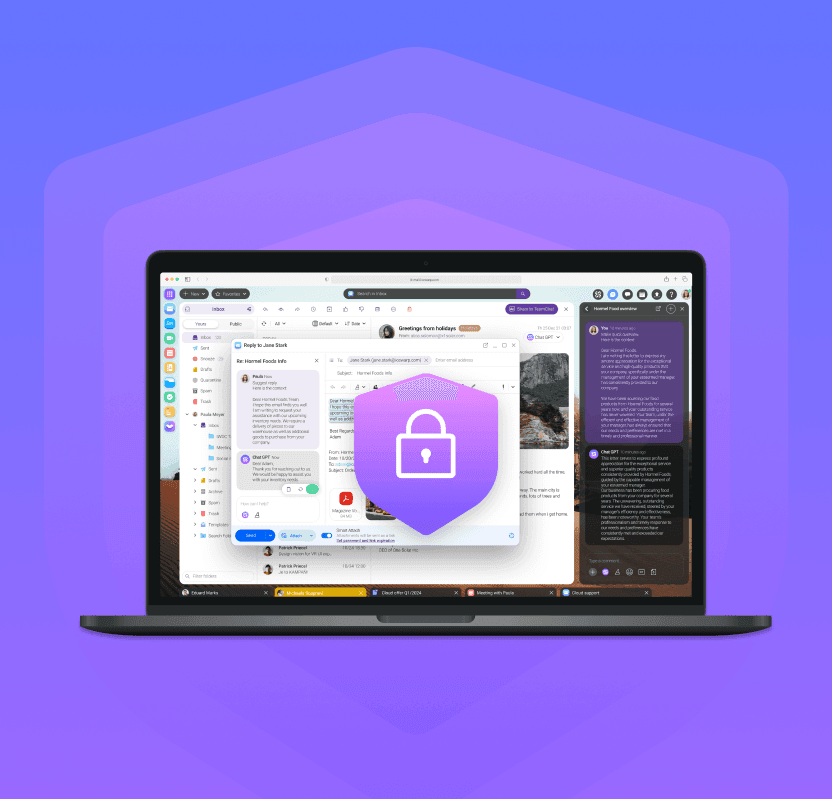
Private cloud and on-premises deployments make answering those questions much simpler. Organizations gain clear visibility into where their data is stored, how it's backed up, how retention policies are enforced, and how access is managed. Instead of relying entirely on the capabilities and policies of an external provider, they maintain greater oversight of the environment that supports their critical workloads.
This doesn't automatically make private infrastructure more secure, as effective security always depends on strong operational practices. What private deployments do provide is greater control over how security, compliance, and governance policies are implemented and managed.
Modern On-Premises Isn't What You Remember
One of the biggest misconceptions about on-premises infrastructure is that it means returning to manual administration, aging hardware, and IT bottlenecks.
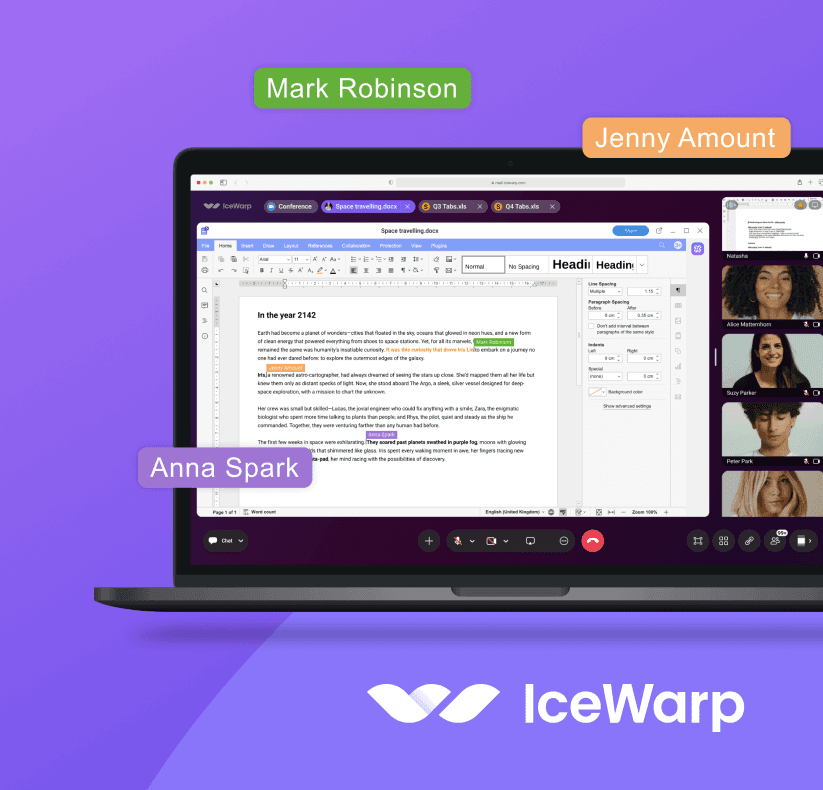
That couldn't be further from the truth. Modern virtualization, automation, and hybrid architectures have fundamentally changed what on-premises infrastructure can deliver. Users still expect web-based email, chat, video meetings, document collaboration, mobile access, and seamless integrations, and they can have all of them without relying exclusively on a public cloud.
The real difference isn't what users experience. It's who controls the environment behind the scenes.
The Future Is About Choice
The cloud versus on-premises debate is becoming less relevant with every passing year. What is changing is the recognition that control itself has become a premium capability. Reducing dependency on a single deployment model gives organizations the freedom to decide when to upgrade, when to adopt new technologies, and how quickly to evolve their infrastructure. Instead of following someone else's roadmap, they can follow their own.
IceWarp is built around that philosophy. Whether your organization prefers the public cloud, a dedicated private cloud, an on-premises deployment, or a hybrid environment, the right collaboration platform should adapt to your business, not the other way around.